
7 Simple Ways to Find Your Zen
Namaste here and breathe— If only it were that simple right? In today’s society, we are faced with many personal, professional,

In the persistent rush of daily life, stress can feel like background noise you’ve learned to ignore—until it spikes. There’s no need to wait for a meltdown to acknowledge its weight. You navigate deadlines, errands, emails, traffic, and texts with practiced ease, but that ease is often a facade. Beneath it all, your body holds onto stress like a quiet collector—tense shoulders, shallow breaths, short tempers. This article isn’t about bubble baths or retreats to Bali. It’s about sustainable, quietly radical ways to rewire your responses and give yourself room to breathe amid the noise.
Identify the Quiet Agitators Before They Erupt
Stress often masquerades as irritability, fatigue, or distraction, making it hard to trace its origin. Instead of waiting for full-blown overwhelm, pay attention to patterns—what consistently leaves you drained, tense, or short-tempered? Pinpointing your stressors requires more than naming the obvious ones; it means noticing the small, repeated irritations that chip away at your energy throughout the day. Once you name them—be it constant pings from your phone, a certain meeting, or even cluttered surroundings—you can start to shift your response or minimize their hold on your mind.
Ritualize Transitions Between Roles
Modern life pulls you in a dozen directions. You’re a worker, a partner, a parent, a friend, often within the span of an hour. Instead of crashing from one role into another, build small, intentional rituals to shift your gears. It might be a minute of silence before starting your workday, changing your shirt before dinner, or a short walk between tasks. These micro-boundaries help your nervous system reset and avoid emotional spillover.
Reignite Purpose by Returning to School
Sometimes the surest way to manage the weight of daily stress is to reconnect with your long-term goals—especially when your career feels stagnant. Going back to school offers a sense of forward momentum, and today, a wide variety of programs cater to professionals looking to sharpen their edge without starting over. The flexibility of online learning means you can grow your credentials while staying rooted in your current role, and you can compare online mha programs to find the right fit for your aspirations and schedule. If you’re in healthcare, for instance, earning a master’s degree in health administration doesn’t just enhance your resume; it positions you for leadership roles where you can influence systems, policy, and patient outcomes.
Build a Frictionless Wind-Down Routine
Sleep hygiene often gets framed in absolutes—no screens after 8 p.m., herbal tea by candlelight, journaling for an hour. In reality, the most effective evening routines are simple, automatic, and forgiving. Think about your last 30 minutes of the day and remove friction: dim the lights, lower your voice, cue up the same playlist or scent. You’re not chasing perfection, just consistency—a predictable downshift that your body begins to associate with safety and sleep.
Step Away to Step Back In With Clarity
Sometimes the most effective way to reclaim your mental space is to physically remove yourself from the churn of your daily environment. A retreat isn’t an escape—it’s a deliberate act of reconnection, giving your mind, body, and relationships space to realign. By working with a professional who curates a retreat based on your desired location, level of activity, and specific interests, you can create a fully customized experience that nurtures you and your closest circle. Whether you’re dreaming of mountain air, coastal calm, or desert stillness, the team at Epic Retreats can help you shape the kind of reset that doesn’t just feel good in the moment, but transforms how you carry stress when you return.
Limit Input Before You Manage Output
Most stress isn’t just about what you’re doing—it’s about what you’re absorbing. Your brain isn’t designed to ingest hundreds of opinions, headlines, messages, and memes before breakfast. To keep your internal landscape navigable, delay input. Don’t reach for your phone in the first 15 minutes after waking. Sit with yourself first. Drink coffee, stretch, stare into space. Let your own thoughts arrive before being flooded by others.
Stress doesn’t always announce itself. It creeps in through the quiet erasures of your attention, posture, and patience. The most effective strategies for managing it aren’t dramatic interventions—they’re quiet, steady recalibrations throughout the day.
Namaste here and breathe— If only it were that simple right? In today’s society, we are faced with many personal, professional,

Let’s be honest… Most of us don’t get up in the morning looking forward to incorporating any sort of exercise
Nature has always been my happy place, a source of deep joy that comes fromtruly following my passion. Out there, I felt completely free, able to drop all the daily worries and connect with something so much bigger than myself. Those trails weren’t just paths; they were my road to self-discovery and a spiritual awakening.
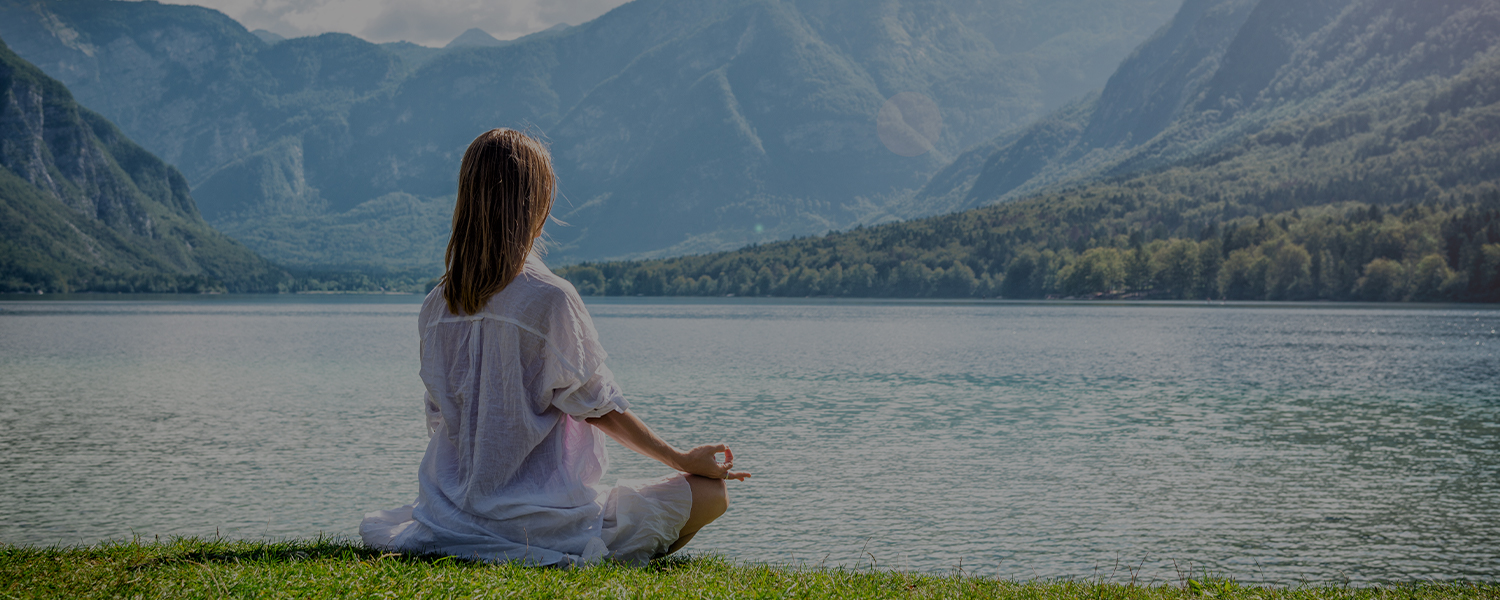
As I sat there meditating by the shore, staring at the horizon, something just clicked. It was a clear calling – I knew I had to share this incredible love for the outdoors with others who were looking for a similar experience. I wanted them to feel that same amazing sense of wonder that nature brought out in me. For me, exploring new trails wasn’t just about finding new places; it was about digging deep into my own soul, figuring out my purpose, and how I could really make adifference in the world. I truly believed in nature’s power to heal, change, and wake up the human spirit.
That whole hike, my mind was buzzing with ideas on how to help others experience the same joy and appreciation for nature that I held so dear. It was like inspiration was whispering, urging me to share the stunning views, the mesmerizing landscapes, and the priceless peace and quiet I was so lucky to find. I pictured myself leading groups on incredible journeys through nature, sharing everything I knew and loved about the outdoors, and helping them really connect with their inner selves.
And just like that, my lifelong dream started to become a reality. That very same year, I hosted my first-ever retreat in Napa Valley. I put together an itinerary that included hiking, meditation, yoga, and workshops focused on nature. My goal was to create a truly holistic experience that would nourish the body, mind, and soul.
The journey since then has been absolutely incredible, filled with countless trails and amazing places that just keep fueling my passion for exploration. Sharing this passion has been so rewarding. Seeing the profound transformations that happen when people truly immerse themselves in nature has been nothing short of miraculous. I’ve watched people overcome fears, rediscover joy, and tap into their inner strength. I’ve seen friendships bloom, hearts open, and lives change. I’m truly dedicated to continuing to share my love for nature and helping others find their own paths to peace, joy, and self-discovery.
I followed my heart… and it has taken me on an amazing adventure. I am delighted to share my passion with you!