
7 Simple Ways to Find Your Zen
Namaste here and breathe— If only it were that simple right? In today’s society, we are faced with many personal, professional,
You don’t need more stimulation. You need space to return to yourself. For introverts, self-care isn’t about adding more—it’s about subtracting what drains you. That kind of restoration doesn’t come from a spa day or a new app. It comes from recognizing what refuels you and giving it room to grow.
The Introvert Recharge Principle
The foundation of self-care for introverts is energy management, not time management. It’s not about cramming more productivity into your day, but about protecting the mental space that keeps you grounded. Even when you enjoy someone’s company, your internal battery keeps ticking down. That’s why it’s crucial to set time aside for yourself before the burnout creeps in. If you wait until you’re drained to retreat, you’re not resting—you’re recovering from collapse.
Gentle Movement That Fits You
Exercise doesn’t have to be loud, crowded, or goal-obsessed. You don’t have to track steps or aim for muscle gains to move your body meaningfully. In fact, the best kind of movement might be the one you barely notice: a slow walk, a dance in your kitchen, a stretch before bed. The idea is to do something that moves your body without adding more stimulation or pressure. When you treat movement as nourishment instead of a task, it becomes a kind of quiet joy.
Stress Reduction with Natural Remedies
Several natural remedies offer promising support for managing anxiety in a safe, holistic manner. Lavender oil is widely known for its calming effects, often used in aromatherapy to promote relaxation and reduce stress-related symptoms. Ashwagandha, an adaptogenic herb, helps regulate the body’s stress response and has been shown to lower cortisol levels and improve mood stability. THCa, a non-psychoactive cannabinoid found in raw cannabis, is emerging as a potential anxiolytic agent due to its anti-inflammatory and neuroprotective properties—find out more if you’d like to explore this option.
Nature as a Reset Mechanism
Screens, crowds, and noise pull your attention in too many directions. Sometimes, the only way to come back to yourself is to step outside. Fresh air, even for a few minutes, disrupts the loop of anxious or scattered thinking. If you can spend more time in nature, you’ll likely notice a lift in your baseline mood and a softening of mental tension. Nature doesn’t solve your problems, but it helps you face them with a steadier heartbeat.
Tailored Mindfulness for Introverts
Mindfulness isn’t about chasing stillness—it’s about recognizing when it’s already here. For introverts, too much stimulation can drown out that signal, making it harder to notice what you feel or need. Meditation helps, but it doesn’t have to look like someone sitting cross-legged in a silent room. You might try simple breathing or meditation that feels grounded and gentle, not ceremonial. It’s the regular return to your breath or senses that builds resilience, not the technique itself.
Self-Compassion as Daily Practice
Introverts often process the world internally, which makes self-talk a critical part of mental health. But when stress piles up, that inner voice can turn sharp without warning. You might push through fatigue, ignore your needs, or criticize yourself for needing rest. That’s why it’s essential to be a little gentler with yourself on the days when everything feels too loud. Self-compassion isn’t about lowering standards—it’s about honoring your limits before you hit them.
Media Boundaries & Rituals
You’re not resting if your brain is still scrolling. The endless pull of notifications, opinions, and updates can crowd out your inner world without you noticing. Real solitude is more than being physically alone—it’s the absence of noise, even digital noise. If you take a break from your phone regularly, even just for a few minutes, you give yourself a chance to hear your own thoughts again. Those small breaks often do more for your clarity than an hour of passive distraction.
Self-care for introverts doesn’t have to be curated or performative. It’s in the small, consistent decisions that protect your peace and reconnect you to your own rhythms. When you move gently, pause often, and treat silence as sacred, you create room for the kind of rest that restores. You don’t have to explain it to anyone, and you don’t need permission to do it your way. You just need to start honoring how you’re wired—and letting that be enough.
Namaste here and breathe— If only it were that simple right? In today’s society, we are faced with many personal, professional,

Let’s be honest… Most of us don’t get up in the morning looking forward to incorporating any sort of exercise
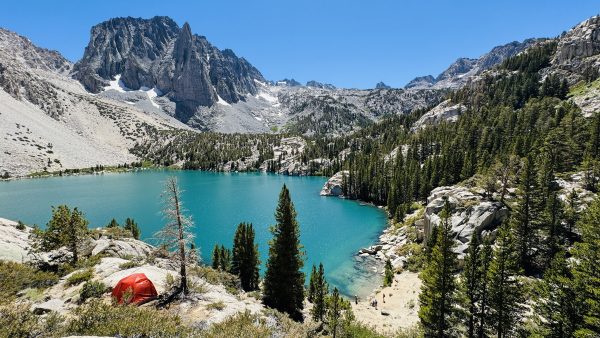
Nature has always been my happy place, a source of deep joy that comes fromtruly following my passion. Out there, I felt completely free, able to drop all the daily worries and connect with something so much bigger than myself. Those trails weren’t just paths; they were my road to self-discovery and a spiritual awakening.
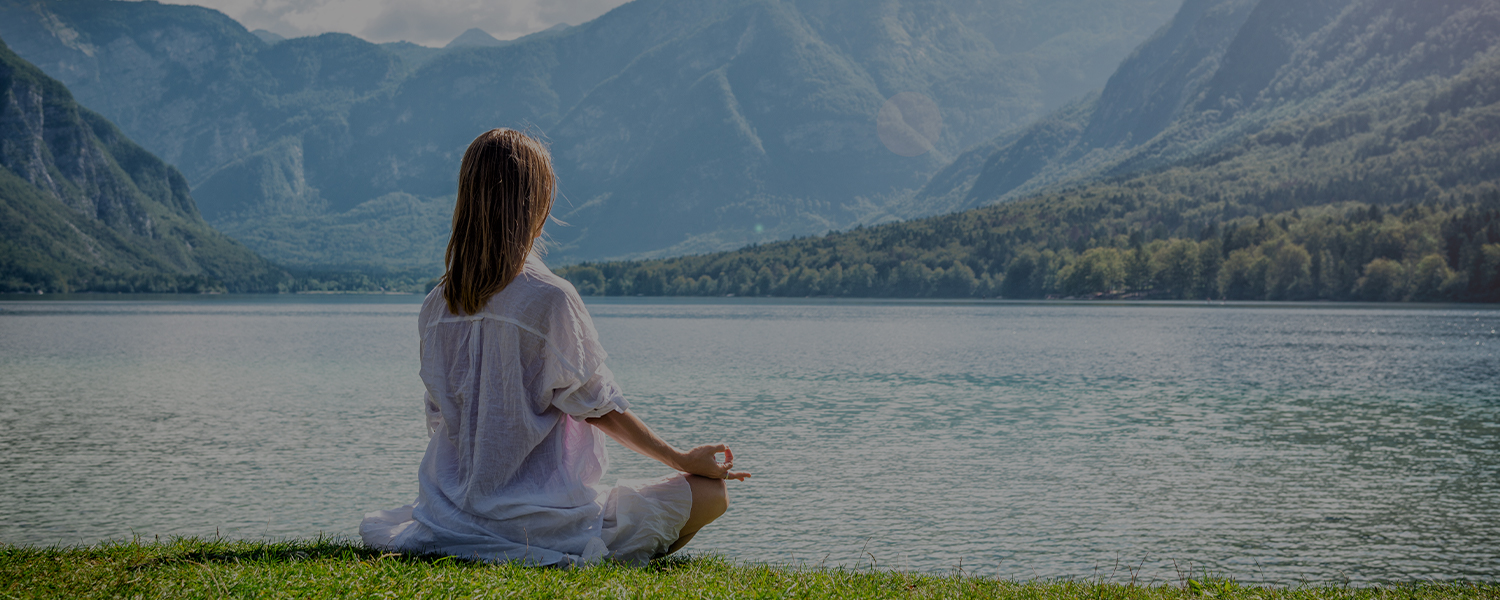
As I sat there meditating by the shore, staring at the horizon, something just clicked. It was a clear calling – I knew I had to share this incredible love for the outdoors with others who were looking for a similar experience. I wanted them to feel that same amazing sense of wonder that nature brought out in me. For me, exploring new trails wasn’t just about finding new places; it was about digging deep into my own soul, figuring out my purpose, and how I could really make adifference in the world. I truly believed in nature’s power to heal, change, and wake up the human spirit.
That whole hike, my mind was buzzing with ideas on how to help others experience the same joy and appreciation for nature that I held so dear. It was like inspiration was whispering, urging me to share the stunning views, the mesmerizing landscapes, and the priceless peace and quiet I was so lucky to find. I pictured myself leading groups on incredible journeys through nature, sharing everything I knew and loved about the outdoors, and helping them really connect with their inner selves.
And just like that, my lifelong dream started to become a reality. That very same year, I hosted my first-ever retreat in Napa Valley. I put together an itinerary that included hiking, meditation, yoga, and workshops focused on nature. My goal was to create a truly holistic experience that would nourish the body, mind, and soul.
The journey since then has been absolutely incredible, filled with countless trails and amazing places that just keep fueling my passion for exploration. Sharing this passion has been so rewarding. Seeing the profound transformations that happen when people truly immerse themselves in nature has been nothing short of miraculous. I’ve watched people overcome fears, rediscover joy, and tap into their inner strength. I’ve seen friendships bloom, hearts open, and lives change. I’m truly dedicated to continuing to share my love for nature and helping others find their own paths to peace, joy, and self-discovery.
I followed my heart… and it has taken me on an amazing adventure. I am delighted to share my passion with you!